

What Happens During a Professional Pet Dental Cleaning? What Richfield Owners Should Expect
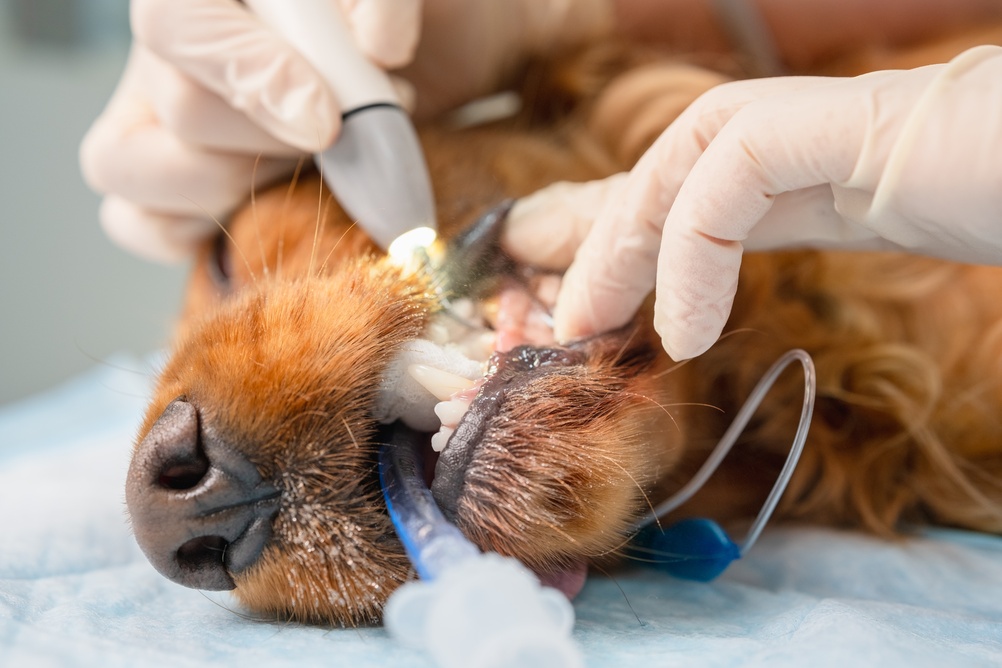
That smell. You notice it when your dog leans in for a scratch. Your cat curls up on your chest, and there it is again. Bad breath in pets is common. It is also a signal, often the first one, that something is wrong below the gumline where you cannot see it.
A dental cleaning is how that hidden problem gets found. If your pet has never had one, here is what happens during a professional pet dental cleaning.
The Anesthesia Question
Owners ask it first. Can my pet just be held still for a cleaning?
No. A cleaning takes time. Scaling tools scrape along the teeth and under the gums, and no pet will hold its mouth open through that. Anesthesia keeps your pet still and pain-free. It protects the veterinary team from a bite, too. It also allows a far closer look at the teeth, gums, and roots than a squirming patient would ever allow.
Before the Appointment
Nobody puts your pet under without a check first. Most clinics run a physical exam and pre-anesthetic blood work ahead of time. That blood work matters. It shows how well the kidneys and liver are working, and those organs process the anesthesia.
Senior pets need extra tests sometimes. So, do pets with existing health conditions. Expect a real conversation about risk before anything moves forward.
The Day Itself
Most pets go home the same day. They may seem groggy for a few hours. That is normal, and it wears off.
Once your pet is under, the order of events runs roughly like this.
The Exam
The team checks the whole mouth. A dental probe looks for bleeding gums and pockets around the teeth. It also catches surface defects where food collects and causes irritation.
X-Rays
X-rays show the roots, the bone underneath, and damage hiding below the gumline. Some of the most painful problems, root infections among them, are invisible without them.
Scaling
Scaling scrapes plaque and tartar from above and below the gumline. The below the gumline work matters most. That is where periodontal disease does its damage, and it is exactly the area an anesthesia free cleaning cannot reach.
A Tooth by Tooth Check
Each tooth and the gums around it get checked for disease. The vet weighs the exam and the X-rays together. Only then does the question of extraction come up. Pulling a tooth is never the easy call. It happens when leaving the tooth would cause more disease and more pain.
Polishing
The final step smooths the tooth surface. Bacteria struggle to stick to a smooth surface, so the next round of plaque builds more slowly.
Depending on the work done, your pet may get antibiotics or pain medication before heading home.
About Those Anesthesia Free Cleanings
You may have seen the ads. The American Veterinary Dental College advises against them, and the reasons are practical. The procedure can hurt. It can be unsafe, both for the pet and for the person holding it. It also cannot clean or inspect below the gumline. A polished crown with disease still hiding underneath is not much of a win.
The Part That Happens at Home
Your pet comes home with cleaner teeth and, most likely, better breath. The real work starts there.
Daily brushing is the single best way to keep plaque from coming back. Dental chews can help. So, can water additives. Neither one replaces the brush.
For Richfield Owners
Dental disease is not a small thing. It can cost your pet its teeth. In serious cases, it can affect the heart, lungs, and kidneys. The cleaning itself is routine, though. A health check comes first, then anesthesia, X-rays, scaling, a close look at every tooth, and a polish.
If your pet has bad breath or swollen gums, start with an exam. Same goes if your pet has never had a cleaning. Your vet can tell you what your pet needs and walk you through the day well before it happens.
For more on professional pet dental cleaning, visit Richfield Animal Medical Center. Our office is in Richfield, Ohio. Call 330-659-6606 to book an appointment today.
