

Why Is My Dog Itching After Hiking? Dealing with Northeast Ohio Summer Allergies
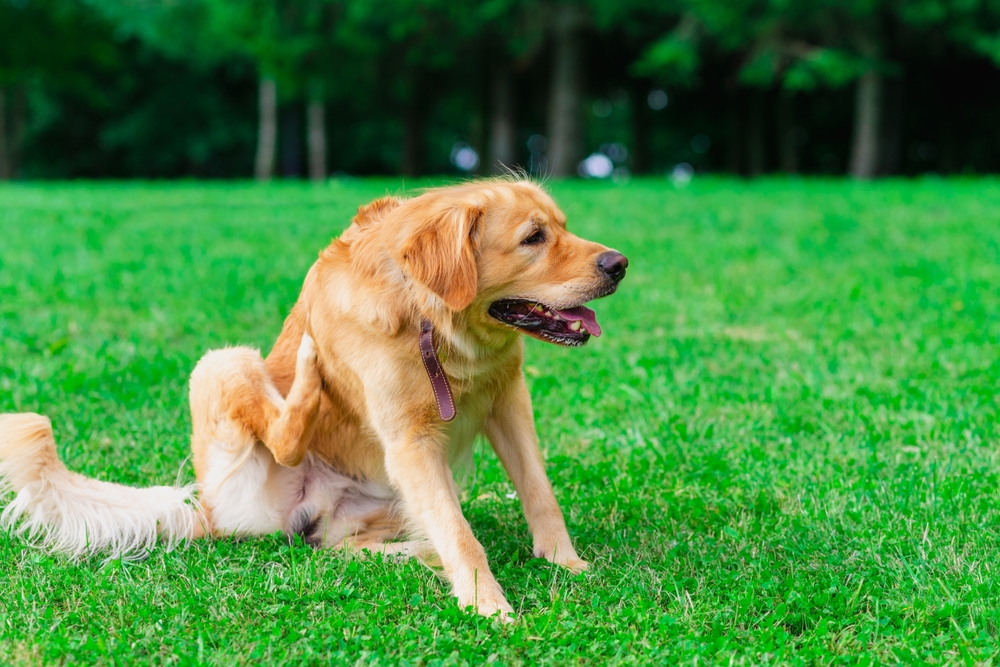
Hiking with your dog is one of the best parts of summer in Northeast Ohio, but wooded trails, tall grass, pollen, insects, and humid weather can all contribute to itchy skin. If your dog starts scratching, licking, chewing, or rubbing their body after a walk, it may be more than a little dirt or irritation.
Seasonal dog allergies are common during warmer months, especially after outdoor activity. While some itching is mild and temporary, ongoing discomfort can point to environmental allergies, parasites, skin infection, or irritation that needs veterinary care.
Why Dogs Itch After Hiking
Dogs explore the world with their paws, nose, and coat, so they come into direct contact with outdoor allergens. Grass, weeds, pollen, mold spores, and plant material can cling to the skin and fur. After a hike, these irritants may continue bothering your dog even once you are home.
Dogs with summer allergies may react through their skin instead of showing the sneezing and watery eyes people often associate with allergies. That means itching, licking, and inflamed skin are often the first signs pet owners notice.
Common Signs Of Summer Allergies In Dogs
A dog with outdoor allergies may seem restless or uncomfortable after time outside. Symptoms can appear right away or become more noticeable later in the day.
Watch for signs such as:
- Scratching around the ears, neck, belly, or legs
- Licking or chewing the paws
- Red, irritated, or inflamed skin
- Rubbing the face on the floor or furniture
- Ear odor, head shaking, or ear redness
- Hair loss, scabs, or hot spots
- Frequent licking after hikes or walks
If your dog’s itching keeps returning after outdoor activity, a veterinary exam can help determine what is causing the problem.
Allergies, Fleas, Or Something Else?
Not every itchy dog has seasonal allergies. Fleas, mites, ticks, skin infections, food sensitivities, and contact irritation can also cause scratching. Hiking can increase exposure to parasites and environmental irritants, especially in wooded or grassy areas.
A veterinarian can examine your dog’s skin, ears, coat, and overall health to help narrow down the cause. This is important because treating allergies is different from treating parasites or infection. If your dog has broken skin, odor, discharge, or painful hot spots, care should not be delayed.
What To Do After A Hike
Simple post-hike habits can help reduce exposure to allergens and irritants. Wipe your dog’s paws, legs, belly, and face with a damp cloth after outdoor activity. Check between the toes, under the collar, around the ears, and along the belly for ticks, burrs, redness, or irritation.
Bathing may help some dogs, but using the wrong shampoo or bathing too often can dry the skin and make itching worse. Ask your veterinarian what products are safest for your dog’s skin type and allergy history.
How Veterinary Care Can Help
If your dog is dealing with recurring summer itching, your veterinarian can recommend a treatment plan based on the cause and severity of symptoms. This may include allergy management, parasite prevention, medicated shampoos, ear treatment, skin infection care, or other supportive options.
The goal is to help your dog feel comfortable while preventing the cycle of scratching, skin damage, and secondary infection. With the right plan, many dogs can continue enjoying hikes and outdoor time throughout the summer.
To schedule an appointment for your itchy dog, contact Richfield Animal Medical Center in Richfield, Ohio at 330-659-6606.
